On and Around December 22, 1721
December 1721 was a period of profound transition. Globally, Europe was adjusting to a newly minted peace after decades of grueling warfare, while the British colonies in America were locked in a desperate, historic battle against a deadly biological enemy.
While winter weather kept military campaigns and major shipping at a standstill on December 22 itself, significant events unfolded on the days immediately surrounding it:
- The Tsar Becomes Emperor (Late 1721 context): Following the conclusion of the Great Northern War, Peter the Great spent the closing weeks of 1721 solidifying his new, massive title of Emperor of All Russia, officially transitioning the Tsardom into the Russian Empire.
- The South Sea Bubble Aftermath: In London, Parliament spent the winter of 1721 deep in legislative damage control following the catastrophic collapse of the “South Sea Bubble” stock crash. Robert Walpole, effectively serving as Britain’s first Prime Minister, spent December implementing economic recovery acts to restore public credit and steady the British empire’s tanking economy.
In Yarmouth & Barnstable County, Massachusetts Bay Colony
In December 1721, the small maritime and farming village of Yarmouth on Cape Cod was dealing with a mix of ecclesiastical milestones and deep existential dread.
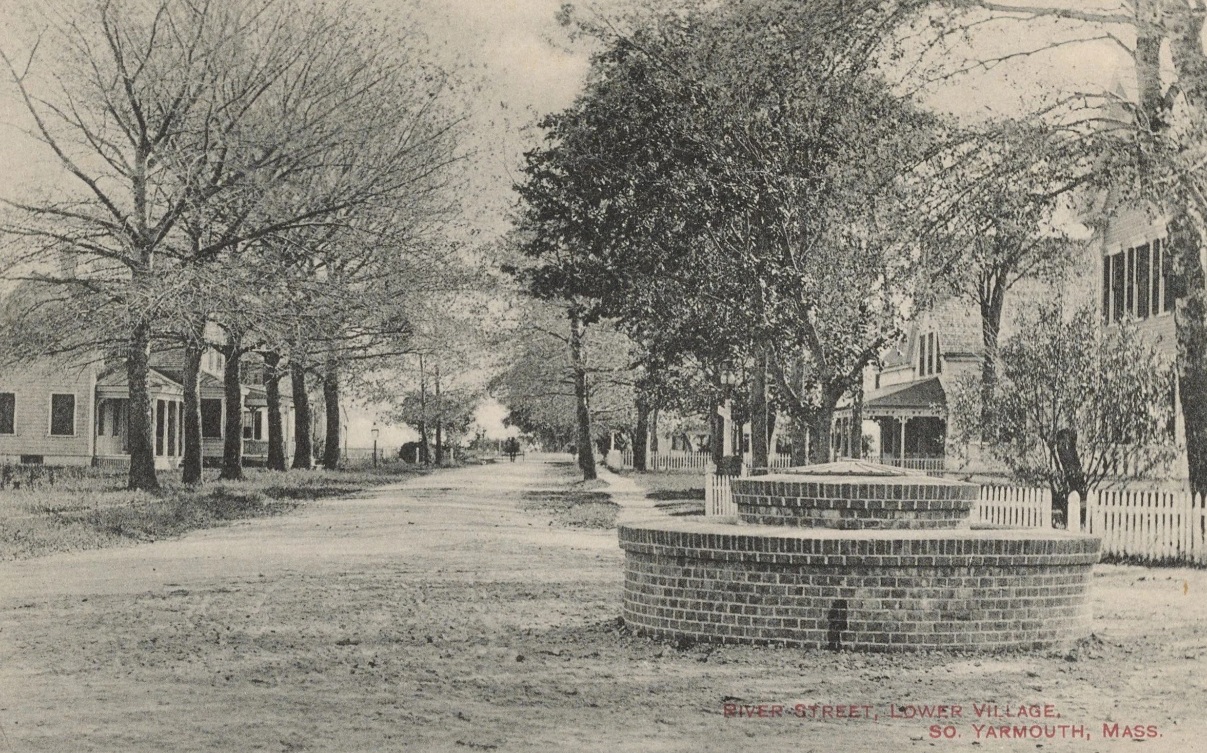
- The Ministry of Daniel Greenleaf: The spiritual heart of Yarmouth in 1721 was its Congregational church, led by the Reverend Daniel Greenleaf. In December, as freezing temperatures set in across the Cape, the townspeople were heavily focused on standard winter survival—stocking woodpiles, securing livestock, and tending to the coastal salt marshes—while gathering weekly in an unheated meetinghouse to hear Greenleaf’s Puritan sermons.
- The Looming Smallpox Shadow: The biggest topic of conversation in Yarmouth that winter was the terrifying Boston Smallpox Epidemic. Because Yarmouth relied on maritime trade and packet boats traveling across Cape Cod Bay to Boston, the town was on high alert. Local selectmen were deeply fearful of sailors bringing the contagion to Barnstable County, leading to strict, informal quarantines of incoming vessels.
In British Colonial America: The Great Smallpox Crisis
The broader Massachusetts Bay Colony was experiencing one of the most famous and harrowing public health crises in American history during the winter of 1721.
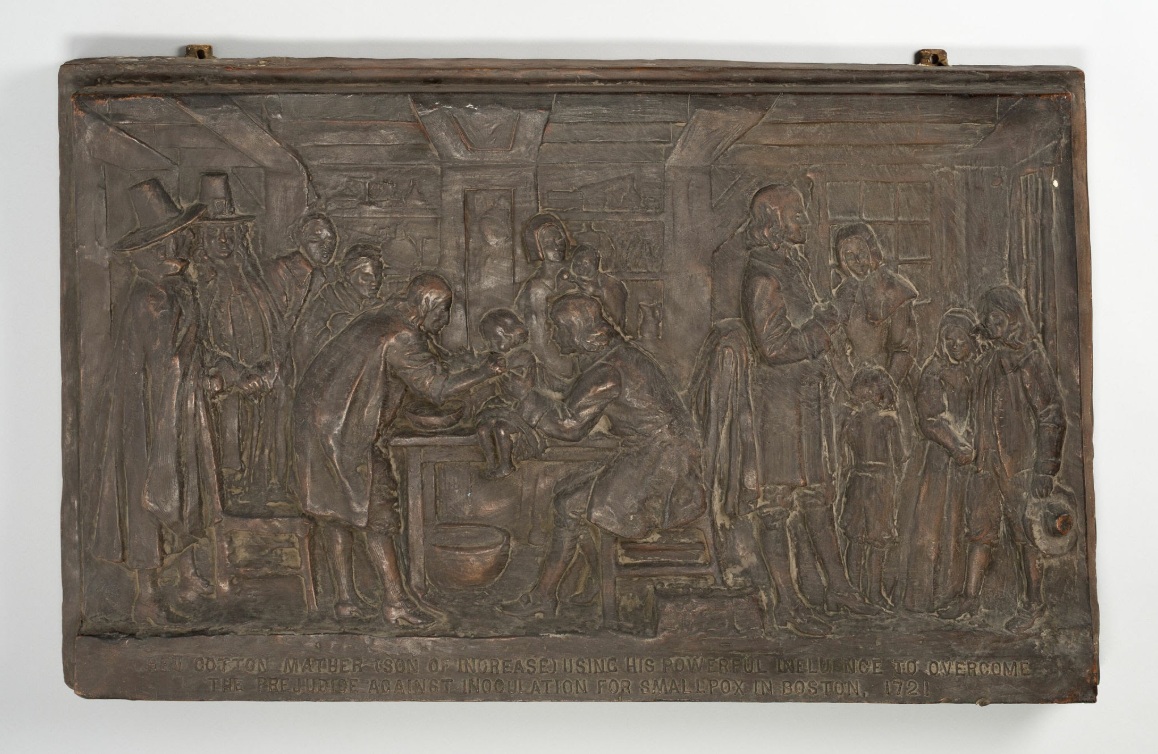
- The Inoculation Controversy: Smallpox was tearing through Boston, infecting over half the city’s population. In late 1721, prominent minister Cotton Mather and physician Zabdiel Boylston were actively conducting a radical medical experiment: inoculation (deliberately introducing live smallpox into a healthy person’s scratch to trigger a mild case and immunity).
- A Literal Witch Hunt Culture: The public was utterly furious, viewing inoculation as a form of biological warfare or a violation of God’s will. Just weeks before December, someone had actually thrown a lighted grenade through Cotton Mather’s window. By December 1721, the epidemic was finally beginning to peak and slow down, but the ferocious intellectual battle paved the way for modern immunology in America.
- The Birth of American Newspaper Crusades: Benjamin Franklin’s older brother, James Franklin, spent December 1721 publishing the New-England Courant in Boston. He used the paper to fiercely mock Cotton Mather and the inoculation movement, establishing the very first grand tradition of independent, adversarial journalism in the American colonies.
Notable Birthdays in 1721
The year 1721 produced a legendary class of historical figures who were small infants during this exact winter:
- Madame de Pompadour (Born December 29, 1721): Born Jeanne-Antoinette Poisson just one week after this date, she grew up to become the brilliant, highly influential chief mistress of King Louis XV of France. She was a massive patron of the Enlightenment, architecture, and the arts, wielding immense political power at the French court.
- Roger Sherman (Born April 19, 1721): An American founding father who was a few months old during this winter. He famously became the only person to sign all four great state papers of the United States: the Continental Association, the Declaration of Independence, the Articles of Confederation, and the Constitution.
- William Robertson (Born September 19, 1721): A Scottish historian and a foundational minister of the Scottish Enlightenment who later became the Principal of the University of Edinburgh.
Notable Deaths in 1721
- Alexander Selkirk (Died December 13, 1721): A Scottish Royal Navy officer and castaway who passed away at sea just nine days before this date. His incredible real-life survival story of being stranded alone on an uninhabited Pacific island for more than four years directly inspired Daniel Defoe’s classic novel, Robinson Crusoe.
- Antoine Watteau (Died July 18, 1721): A legendary French painter who passed away earlier in the year, credited with single-handedly pioneering the Rococo art movement and popularizing the fête galante style (paintings of pastoral, theatrical festivities).

