March 20, 1665
The spring of 1665 was a deeply volatile and transformative period. In Western Europe, geopolitical rivalries sparked global conflict on the high seas, while a silent and devastating biological crisis began to take hold of England’s capital. Across the Atlantic, the landscape of colonial America was being aggressively redrawn.
- The Proclamation of the Duke’s Laws: On this exact day, a major legal milestone occurred in the freshly captured colony of New York (formerly New Netherlands). At a convention in Hempstead, Long Island, Governor Richard Nicolls officially promulgated the “Duke’s Laws” (named for James, Duke of York). This legal code established a new framework of governance for the English territory, dictating everything from land tenure and religious tolerance to criminal law. It served as the foundational constitutional blueprint for New York for decades.
In England: War and a Gathering Shadow
For England, March 1665 was the tense beginning of a double catastrophe: military conflict abroad and deadly pestilence at home.
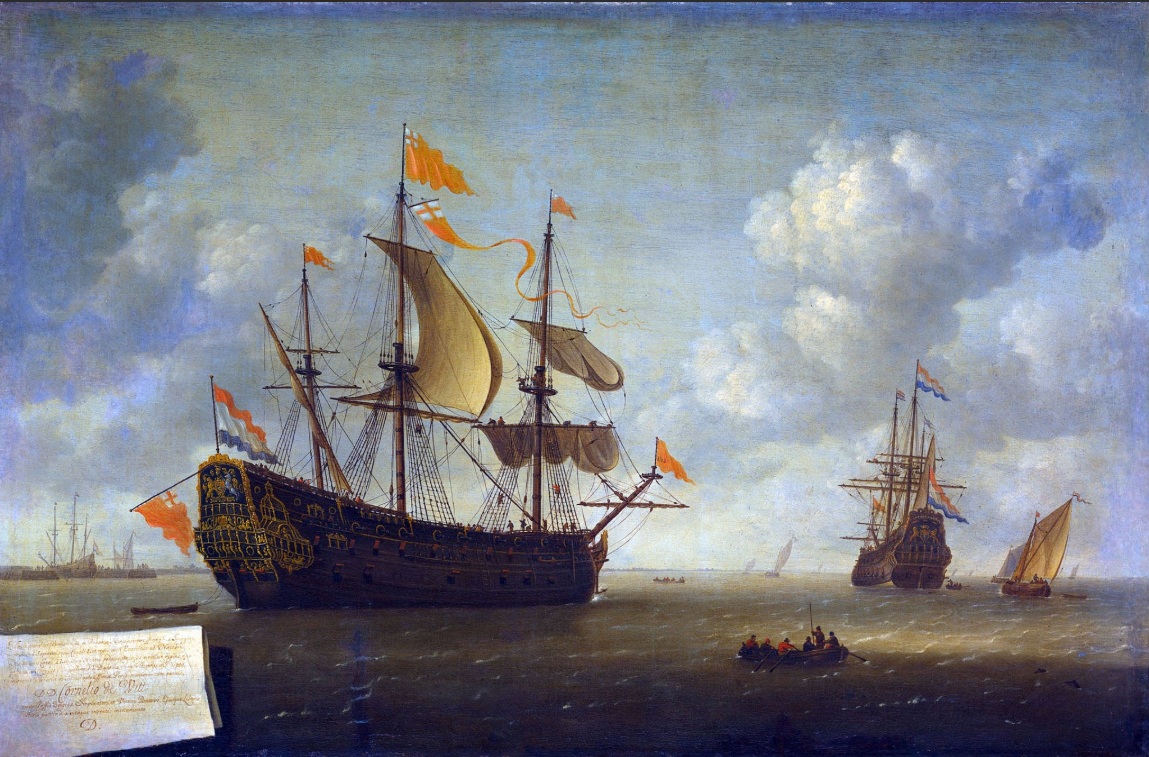
- The Outbreak of the Second Anglo-Dutch War: Just weeks prior, on March 4, 1665, King Charles II officially declared war on the Dutch Republic. March was a month of massive naval mobilization as the English fleet, commanded by the Duke of York aboard the flagship HMS Royal Charles, prepared for a brutal naval showdown over global trade routes.
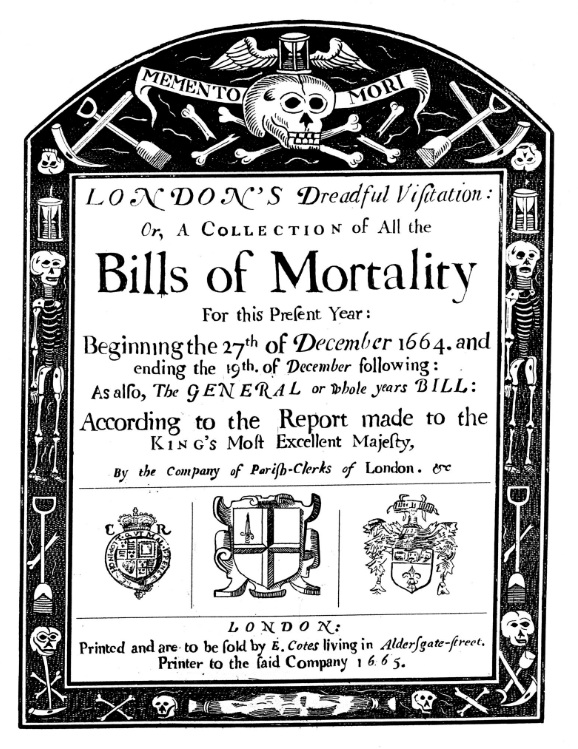
- The Great Plague Begins Its March: Beneath the wartime excitement, a silent killer was taking root. By March 1665, the first scattered deaths of the Great Plague of London were being recorded in the poor parish of St. Giles-in-the-Fields. The official London “Bills of Mortality” began to note an ominous rise in deaths, marking the start of an epidemic that would claim over 100,000 lives—roughly a quarter of London’s population—by the end of the year.
In the American Colonies: Redrawing the Map
While New York was adjusting to English rule under the Duke’s Laws, the neighboring colonies were undergoing significant growing pains:
- The Subdivision of New Jersey: Following the English takeover of the region, the territory between the Hudson and Delaware rivers was split. In the spring of 1665, plans were finalized to establish New Jersey as a proprietary colony separate from New York, with Philip Carteret appointed as its first colonial governor.
- The Second Charter of Carolina: South of Virginia, King Charles II was preparing to issue an expanded second charter for the Province of Carolina, broadening the lands granted to the Lords Proprietors and solidifying English claims against Spanish Florida.
Global Context: Absolute Monarchies and Empires
- The Sun King’s Ascendancy: In France, a young King Louis XIV was firmly executing his vision of absolute monarchy. In March 1665, he was aggressively reorganizing French commerce and building up the French Navy to challenge both the English and the Dutch.
- The Qing Dynasty’s Consolidation: In China, the young Kangxi Emperor was beginning to assert his independence from his regents, steering the Qing Dynasty toward an era of massive territorial expansion and cultural stability.
Births and Deaths around March 1665
Famous Births
- Giacomo F. Maraldi (Born March 30, 1665): Born just days after this date, Maraldi became a famous French-Italian astronomer and mathematician. He spent decades working at the Paris Observatory, making critical discoveries regarding the rotation of Mars and the geometry of honeycomb cells.
- Queen Anne of Great Britain (Born February 6, 1665): The future monarch of Great Britain was a newborn infant in March 1665, completely unaware of the political storms and plagues swirling around her family’s royal court.
Notable Deaths
Johannes Clauberg (Died January 31, 1665): A highly influential German theologian and philosopher who passed away just before March. He was one of the earliest and most passionate defenders of Cartesianism (the philosophy of René Descartes) in central Europe.

